What Miles Davis Understood about Reinvention
I’ve noticed something over the years working with actors, students, entrepreneurs, and creative people: many of us misunderstand what reinvention actually means.
When people hear the word “reinvention,” they often imagine becoming someone entirely different. A new identity. A new brand. A new personality. A new direction. They assume growth requires leaving behind who they have been and replacing it with something newer, shinier, or more acceptable.
Certainly, there are times when change requires new skills, new strategies, or a higher level of discipline. Industries evolve. Technology changes. Markets shift. The methods that worked ten years ago may not work today. Adapting to those realities is often necessary.
What concerns me is when people conclude that adaptation requires abandoning themselves.
I’ve watched talented people stop trusting the very qualities that made them effective in the first place. They become convinced that their natural strengths are somehow outdated or insufficient. Instead of building on those strengths, they begin chasing someone else’s version of success.
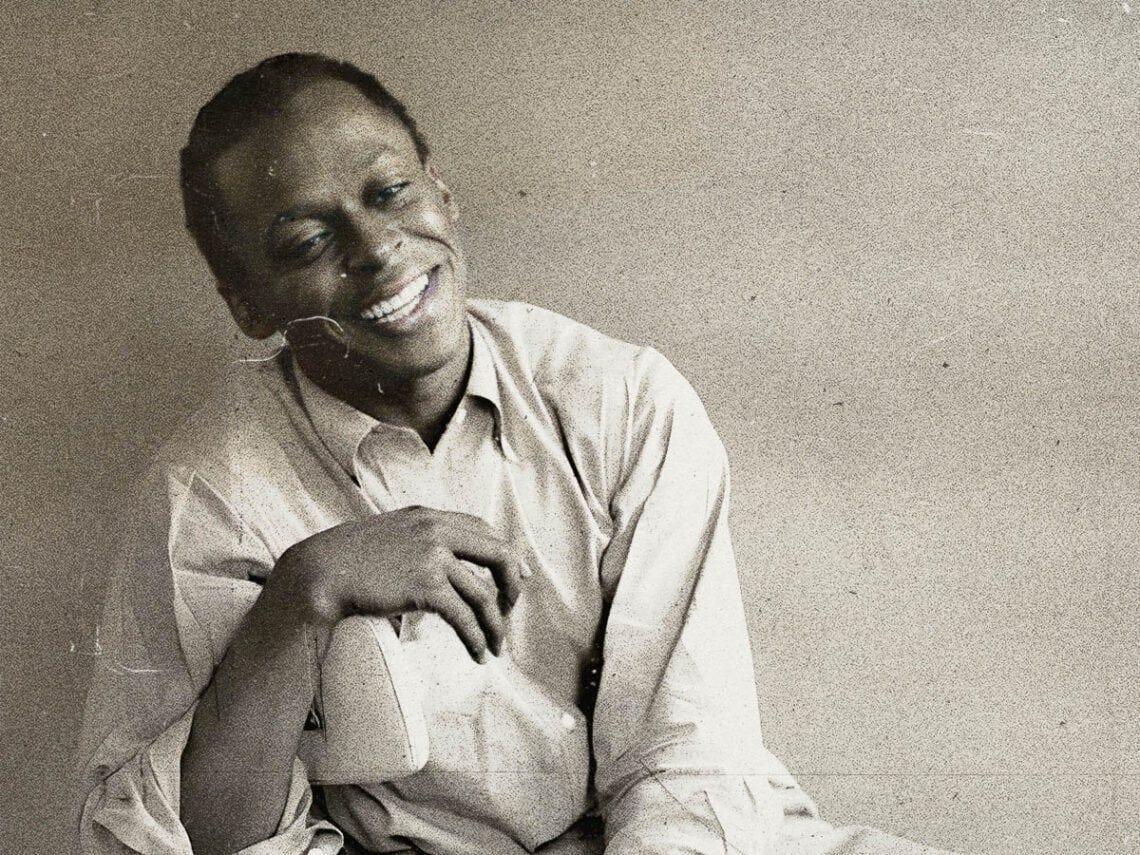
I was thinking about this recently after reading about Miles Davis. Throughout his career, he continually evolved as an artist. He experimented with different styles, sounds, collaborators, and musical structures. He was willing to explore new territory when many musicians would have stayed with what was familiar.
Yet no matter how much his music changed, there was always something unmistakably Miles Davis underneath it all. The form changed, but the essence remained.That insight extends far beyond music.
I see it in actors who feel pressure to become more marketable. I see it in entrepreneurs trying to keep pace with a changing business environment. I see it in coaches, therapists, educators, and professionals entering a new season of life. At some point, almost everyone feels pressure to become more visible, more relevant, or more confident.
And yes, sometimes adjustment is necessary. An actor may need to strengthen self-tape skills, improve marketing materials, or develop a better understanding of the business side of the industry. A coach or therapist may need to learn new technologies, adapt to changing client expectations, or find more effective ways to communicate online. Every profession eventually reaches moments when old approaches stop producing the same results they once did.
The challenge is recognizing what actually needs to change. One of the most useful questions we can ask ourselves during periods of transition is: What part of me needs to evolve, and what part of me needs to remain intact?
When people become anxious, they often assume that if one thing isn’t working, everything must be wrong. They question their instincts, their voice, their experience, and sometimes even their values. But many times the problem isn’t nearly that dramatic. The issue is often a strategy that no longer fits the current environment.
You may not need to become someone different. You may simply need a better way to express your existing strengths. This is where curiosity becomes so valuable. When people feel stuck, they often search for certainty. They want a guaranteed answer, a perfect plan, or a step-by-step formula that eliminates risk. That’s understandable. Most of us would prefer certainty over uncertainty.
Growth, however, tends to respond better to questions than conclusions. nstead of asking, “What’s wrong with me?” it may be more useful to ask, “What is this situation teaching me?” Instead of wondering why you’re behind, you might ask what skill this season is asking you to develop. Those questions create space for learning rather than self-judgment.
The answers usually emerge through small, consistent actions rather than dramatic breakthroughs. For one person, that may mean writing for fifteen minutes each day. For an actor, it might be reading more plays, practicing self-tapes before auditions arrive, or committing to regular submissions. For a coach, therapist, or educator, it may involve creating thoughtful content, not simply to attract attention, but to clarify ideas and better serve the people they hope to help.
None of these actions are particularly dramatic, and that’s precisely why they matter. Lasting change is usually built through small acts of follow-through rather than grand declarations. Every time you keep a commitment to yourself, you strengthen trust in your own ability to grow and adapt. Over time, those experiences begin to shape identity far more powerfully than insight alone.
We’re living in a culture that encourages constant consumption of information. People read, scroll, save, bookmark, and move on to the next idea. But real growth usually requires something slower. It requires spending enough time with an idea to question it, test it, and apply it. Information becomes valuable when it becomes integrated into daily life.
Most people aren’t looking for more information anyway. They’re looking for greater trust in themselves. They want to stop repeating the same patterns. They want to make decisions with more confidence, create with less hesitation, and move through life with a stronger sense of alignment.
That kind of growth rarely arrives all at once. It develops gradually as our actions begin to reflect the person we want to become.
At its best, reinvention is not about creating a new self. It’s about allowing the best parts of yourself to meet the demands of a new season. You may need new tools, better habits, stronger boundaries, or the courage to enter unfamiliar rooms. You may need to let go of methods that no longer serve you.
What you don’t need to abandon is your core. The strongest people I know continue to learn, adapt, and evolve throughout their lives. They remain open to change while staying connected to the values, relationships, and sense of purpose that define who they are.
Perhaps that’s the real lesson. Growth doesn’t require erasing yourself. More often, it requires bringing the deepest parts of who you are forward with greater intention, wisdom, and skill.


